Neocaridina davidi (mixed / low-grade)

Feeder / Cull Shrimp (Neocaridina)

Live feeder shrimp and Neo culls for predatory fish — hardy, mixed colour, R15 each

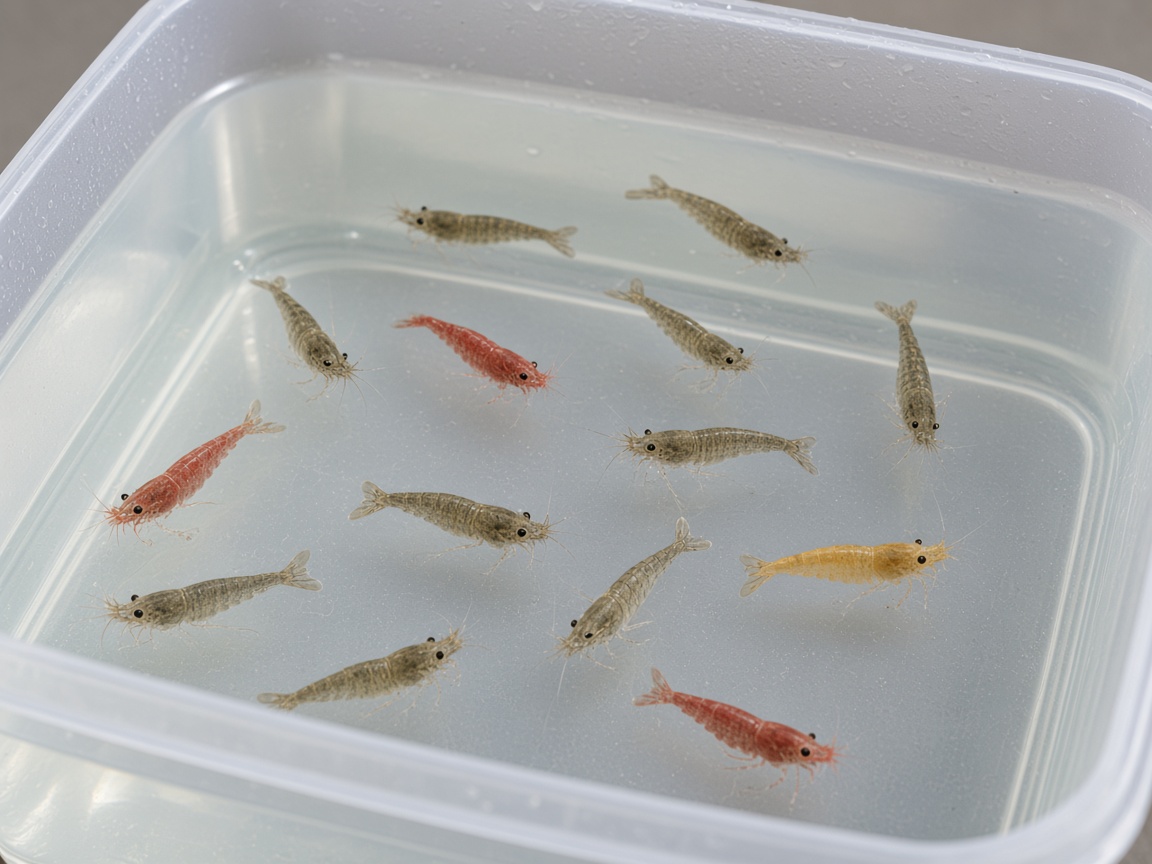
Mixed Neocaridina feeder and cull shrimp swimming in a clear culture tub of water
Price
R15 each
Type
Neo culls / feeder grade — mixed colour
Size
Up to ±2.5–3 cm adults
Ship
Wet bag, Mon–Wed only

About these feeder / cull shrimp

Feeder shrimp and cull shrimp for sale in South Africa: live Neocaridina from our breeding lines that did not make the graded colour cut. You get hardy mixed or low-grade shrimp — wild-type browns, faded reds, mixed “skittles” colours — sold primarily as live food for pea puffers, angels, loaches, larger cichlids and other hunters that need a wriggling meal. They also work as a cheap clean-up crew if your tank mates will leave them alone. These are not graded cherry, blue dream or fire-red show stock, and we do not promise colour or sex ratios. Say how many you want on WhatsApp (R15 each); fourteen shrimp hit our R200 culture minimum on their own before courier.

Best for

  • Pea puffers, angels, loaches and predatory community fish
  • Keepers who want live feeder shrimp, not frozen cubes
  • A budget clean-up crew that may breed if fish leave them alone
  • Anyone topping up an order to the R200 shipping minimum

When they arrive

  1. Open the bag as soon as it arrives. Float it in the destination tank for 15–20 minutes to equalise temperature, then drip-acclimate (add a little tank water every few minutes) before releasing.
  2. If you are feeding them: release into the display when fish are hungry, or tip a counted portion into a feeding dish / clear corner so you can watch the hunt.
  3. If you are keeping a colony: a cycled 20 L+ planted tank, moss or leaf litter for cover, no copper medications, and stable parameters (roughly pH 6.5–8, 20–28 °C) suit Neocaridina.
  4. Never rinse shrimp under the tap. Chlorine and sudden parameter swings kill them faster than travel stress.

Feeding fish or keeping a colony

As live food: offer what fish will finish in a short hunt — leftover shrimp hide and may breed, which is fine in some tanks and a problem in shrimp-only display goals.

As a colony: they graze biofilm and leftover fish food; supplement with shrimp pellets or blanched veg if you want them to thrive and breed.

Copper treatments, sudden ammonia spikes and un-acclimated releases are the usual killers — drip acclimate every time.

Go deeper: Feeder shrimp vs cull shrimp: what South African sellers mean →

Related guides: How to culture daphnia (moina) at home · How to culture grindal worms · Daphnia vs moina: what you are actually buying in South Africa
Common questions

What is the difference between feeder shrimp and cull shrimp?

Same animals for most SA sellers: low-grade or mixed Neocaridina sold as live food. “Cull” means they were pulled from a colour-breeding line; “feeder” means the job is getting eaten. We sell both labels as one product — mixed / low-grade Neo at R15 each.

Are these ghost shrimp or Neocaridina?

Neocaridina davidi culls from our lines — not ghost shrimp (Palaemonetes). Ghosts are the clear commercial feeders some shops sell per piece; ours are hardy Neo that may show faded or mixed colour.

Will they breed in my tank?

Often yes, if fish do not eat them all and the tank is stable. Treat that as a bonus clean-up crew, not a graded colony. Offspring will not stay a pure colour line.

How many should I order?

R15 each. Fourteen shrimp = R210 and meet the R200 minimum on their own. For a single puffer or angel, start with 10–20 and reorder; for a hungry community, order more and tell us the count on WhatsApp.

Can I keep them as a cheap cherry shrimp colony?

Yes as hardy scavengers — no as show-grade cherries. Colours are mixed or low-grade on purpose. If you want deep red sakura or named morphs, ask us about graded stock separately or buy from a shrimp specialist.

How do you ship live shrimp?

Wet bag with oxygenated water, dispatched Monday to Wednesday only with The Courier Guy — same weekend-depot rule as our cultures. Drip-acclimate on arrival.

R15

In stock Order on WhatsApp

Customers also start these cultures

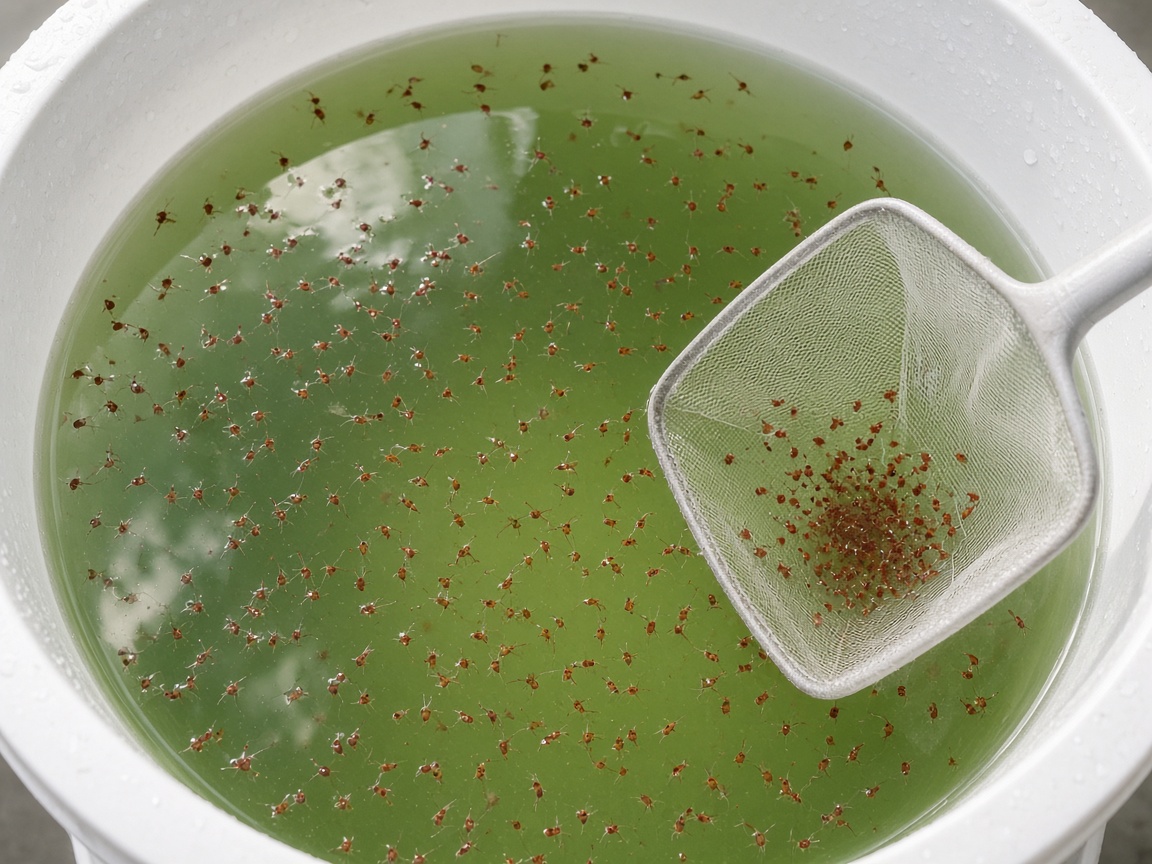
Live daphnia (moina) being harvested with a fine net from a green culture tub

Daphnia (Moina)

In stock

Moina sp.

Live daphnia for sale — starter culture shipped door-to-door. The small “daphnia” (moina) that suits fry and small fish, and breeds fast in warm water

Size±0.4–1.5 mm (adults ±1–1.5 mm)
Temperature20–30 °C (fastest at 24–28 °C)
FoodGreen water, yeast, spirulina
DifficultyModerate — keep a backup culture

R50 · starter culture

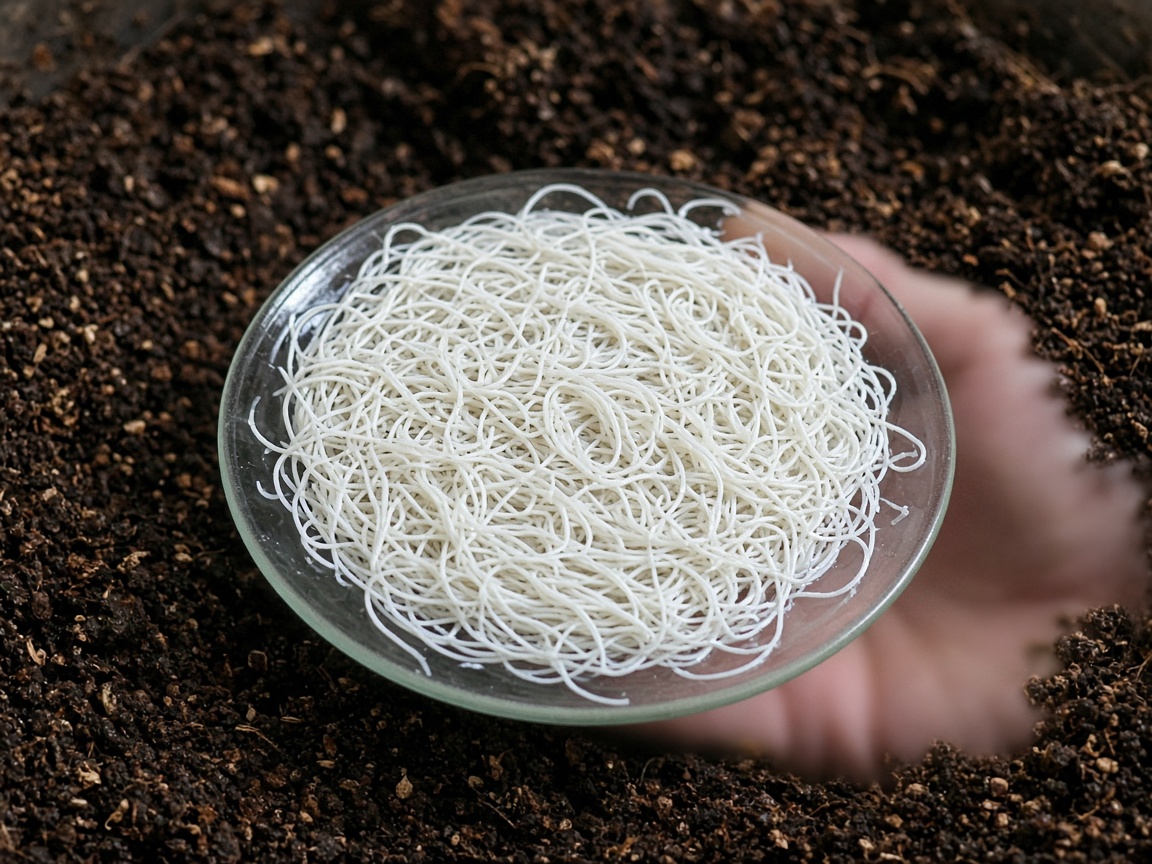
Grindal worms harvested clean on a glass plate over coir

Grindal Worms

Out of stock

Enchytraeus buchholzi

A bigger, meatier worm for growing-on fry and small adult fish

Size±1 mm young to ±10 mm adults
Culture mediumDamp coir, soil mix or sponge
TemperatureRoom temperature (cooler shelf)
DifficultyEasy

R50 · starter culture

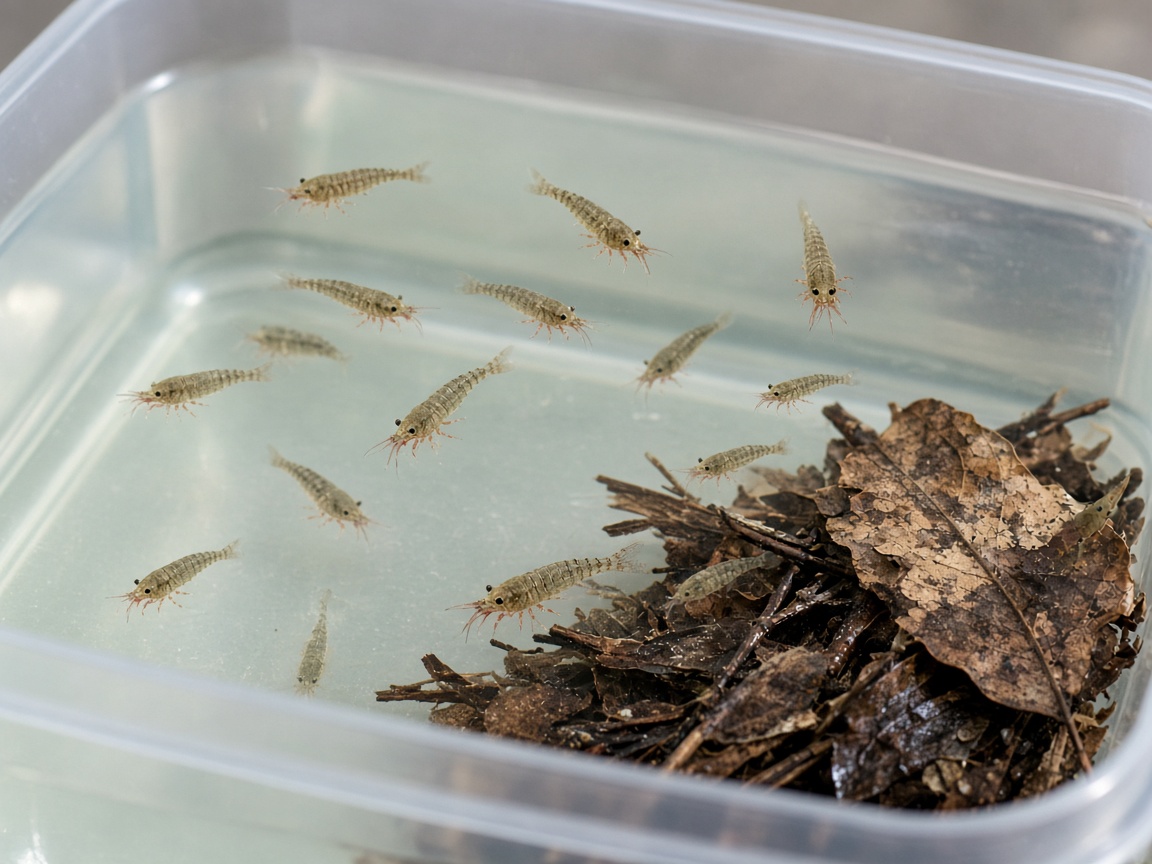
Live freshwater scuds (amphipods) swimming in a clear culture tub

Scuds

Out of stock

Gammarus / freshwater amphipods

Hardy freshwater amphipods for adult fish, goldfish, axolotls and natural tanks

SizeJuveniles tiny → adults several mm
Culture mediumAged water + leaf litter / sponge
TemperatureCool to room temperature
DifficultyEasy

R50 · starter culture

Order on WhatsApp