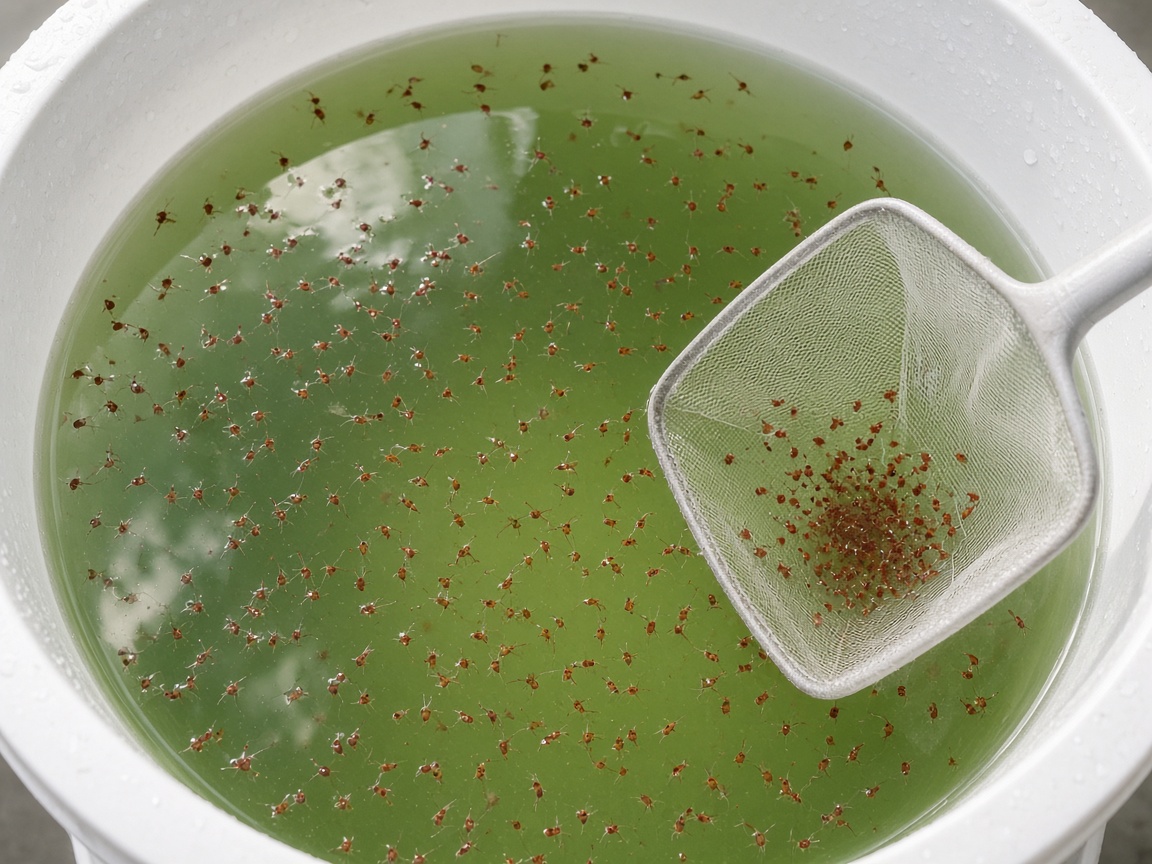
Daphnia (Moina)
In stockMoina sp.
The small “daphnia” that suits fry and small fish — and breeds fast in warm water
R50 · starter culture
Species feeding guide
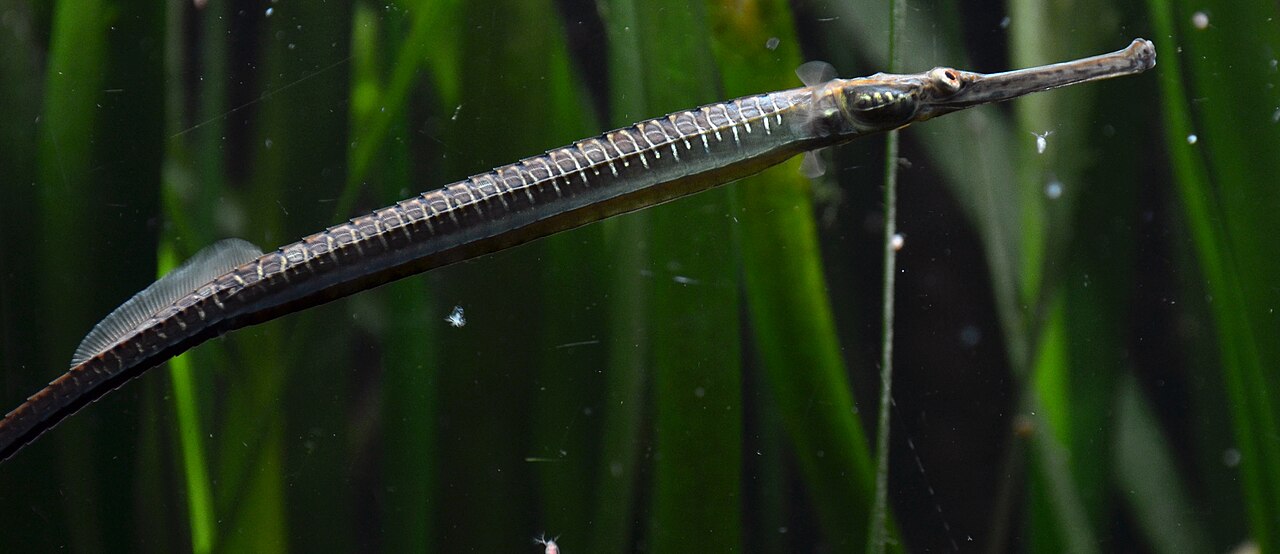
Pipefish are the fish that make live food non-negotiable. Close relatives of seahorses, they are slow, deliberate hunters with tiny mouths and no real stomach for chasing food — many, especially wild-caught fish, simply never learn that frozen or dry food is food. If you keep pipefish, you do not keep a food culture as a treat; you keep it as the pantry.
Photo: Vassil, Wikimedia Commons, CC0
| Stage | Feed this | Why it works |
|---|---|---|
| Daily staple (adults) | Live daphnia (moina), fed 2–3 times a day | Small (±0.4–1.5 mm), always moving in the water column, and the right size for a pipefish snout — the closest cultured match to the tiny crustaceans pipefish hunt all day in the wild |
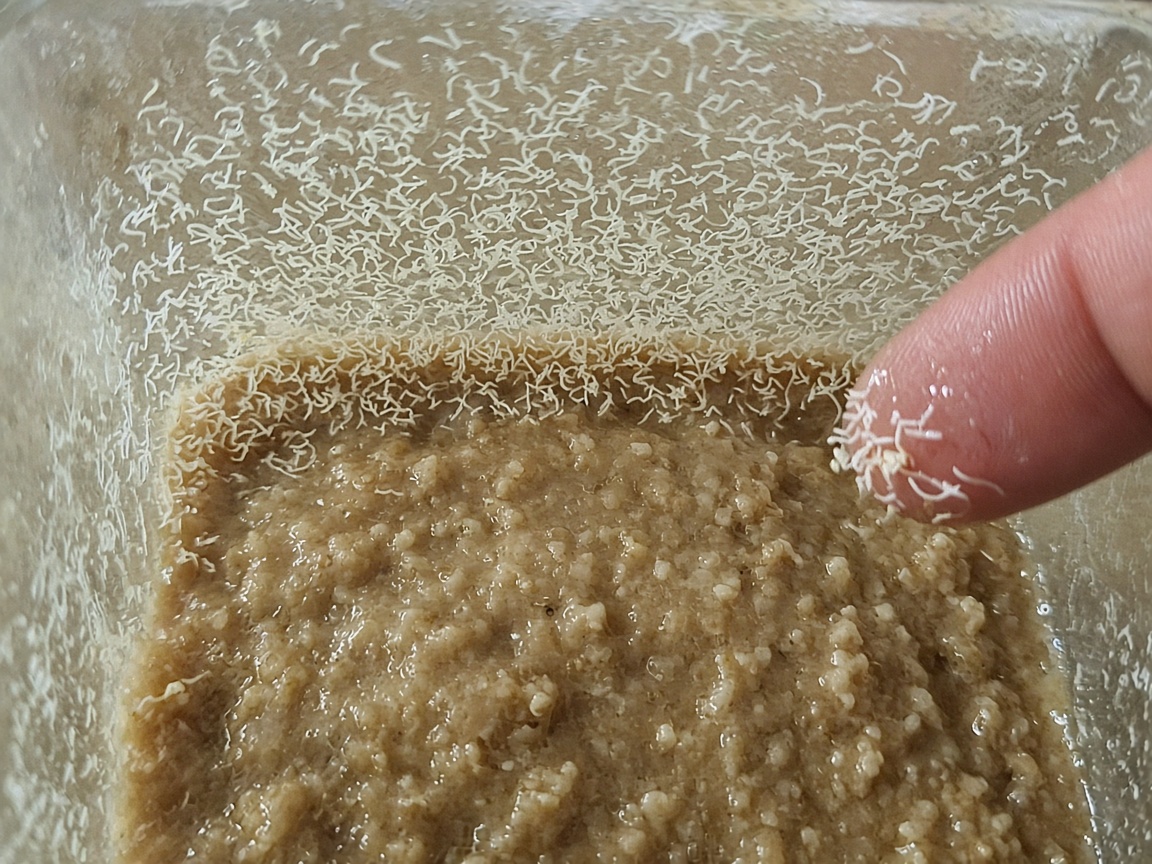
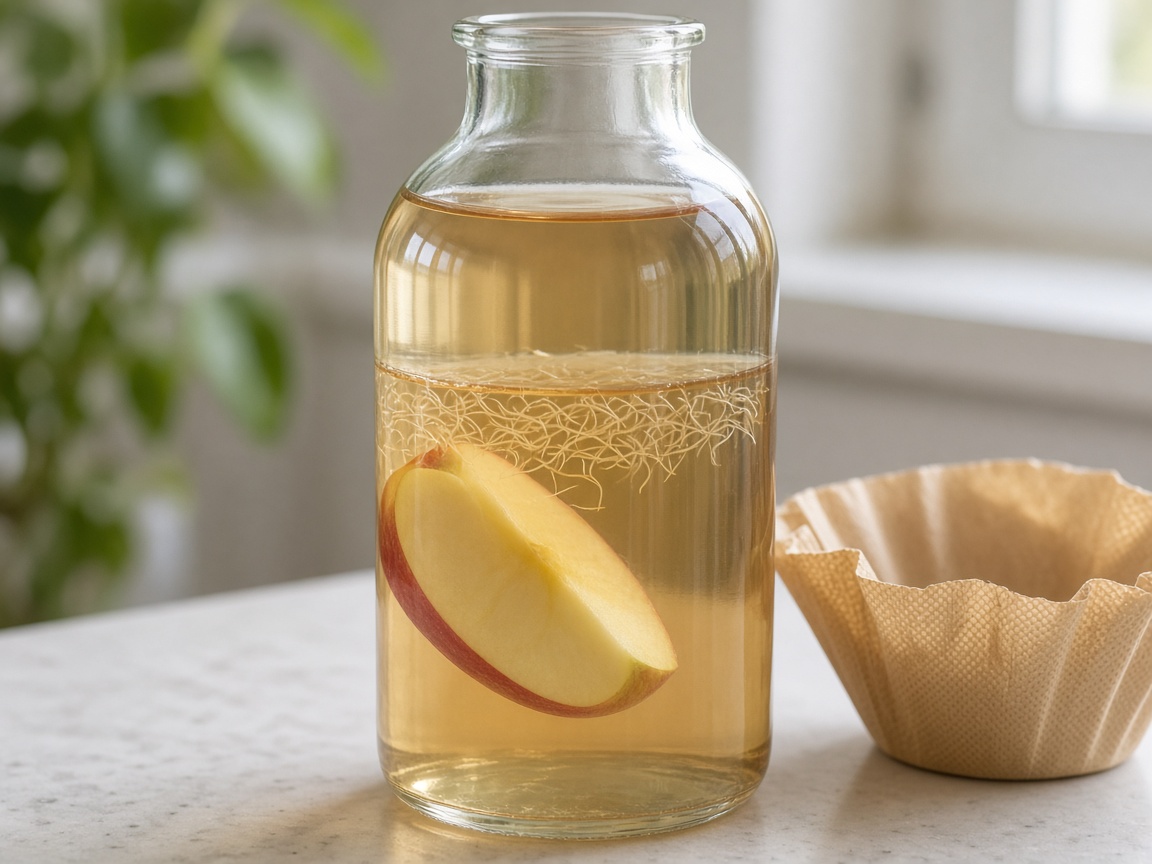
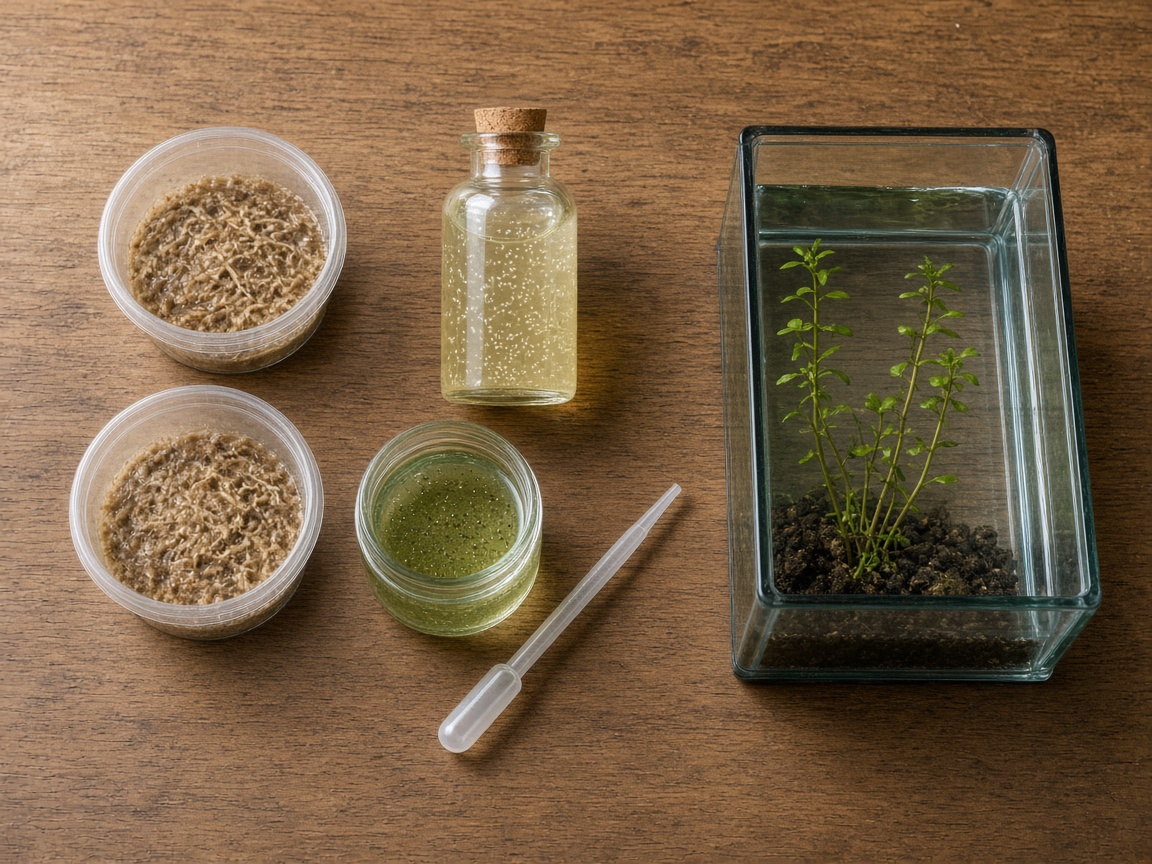
| Small species & juveniles | Microworms and vinegar eels | For pipefish too small to take adult moina; vinegar eels keep swimming for hours, which suits a hunter that eats slowly and often |
| Building condition | A tank with live moina always present | Pipefish graze-hunt through the day rather than eating one big meal — uneaten moina stay alive in the tank instead of rotting, so food can simply be there when the fish is ready |
| Variety (where available) | Baby brine shrimp alongside your cultures | The other classic pipefish food — we do not sell it, and honest keepers rotate it with daphnia/moina rather than relying on any single live food |
Small live crustaceans and worms, hunted through the day: daphnia (moina) is the ideal cultured staple, with microworms and vinegar eels for small species and juveniles, and baby brine shrimp rotated in where you can get it. Most pipefish will not recognise frozen or dry food, especially when wild-caught.
Some tank-bred pipefish learn to take frozen baby brine and mysis, but many never do — and almost none thrive on it alone in the first months. Start on live food, keep the culture running, and treat any frozen acceptance as a bonus rather than the plan.
Two to three small live feeds a day. Pipefish have fast metabolisms and graze constantly in the wild; one daily meal is the most common reason they slowly lose condition in aquariums.
It is the right ballpark: adult moina are ±1–1.5 mm and newborns smaller, which suits most freshwater pipefish. For very small species or young fish, start with microworms and vinegar eels and graduate to the smallest moina from the culture.
In stock in the Western Cape, dispatched Monday to Wednesday, door-to-door across South Africa.
Moina sp.
The small “daphnia” that suits fry and small fish — and breeds fast in warm water
R50 · starter culture
Panagrellus redivivus
The go-to first food for betta, gourami, tetra and cory fry
R50 · 15 ml starter culture
Turbatrix aceti
The tiniest first food — cultured on oats, despite the name
R50 · 15 ml starter culture
All four fry cultures in one parcel
Every fry size covered, from first bite to grow-out, in one courier parcel
R200 · 4-culture bundle
Tell us your setup and town on WhatsApp — we will confirm which cultures you need, what is in stock, and the exact delivered price.
Ask about pipefish food on WhatsAppLive food for bettas · Food for betta fry · Food for guppy fry · Live food for guppies · All species →