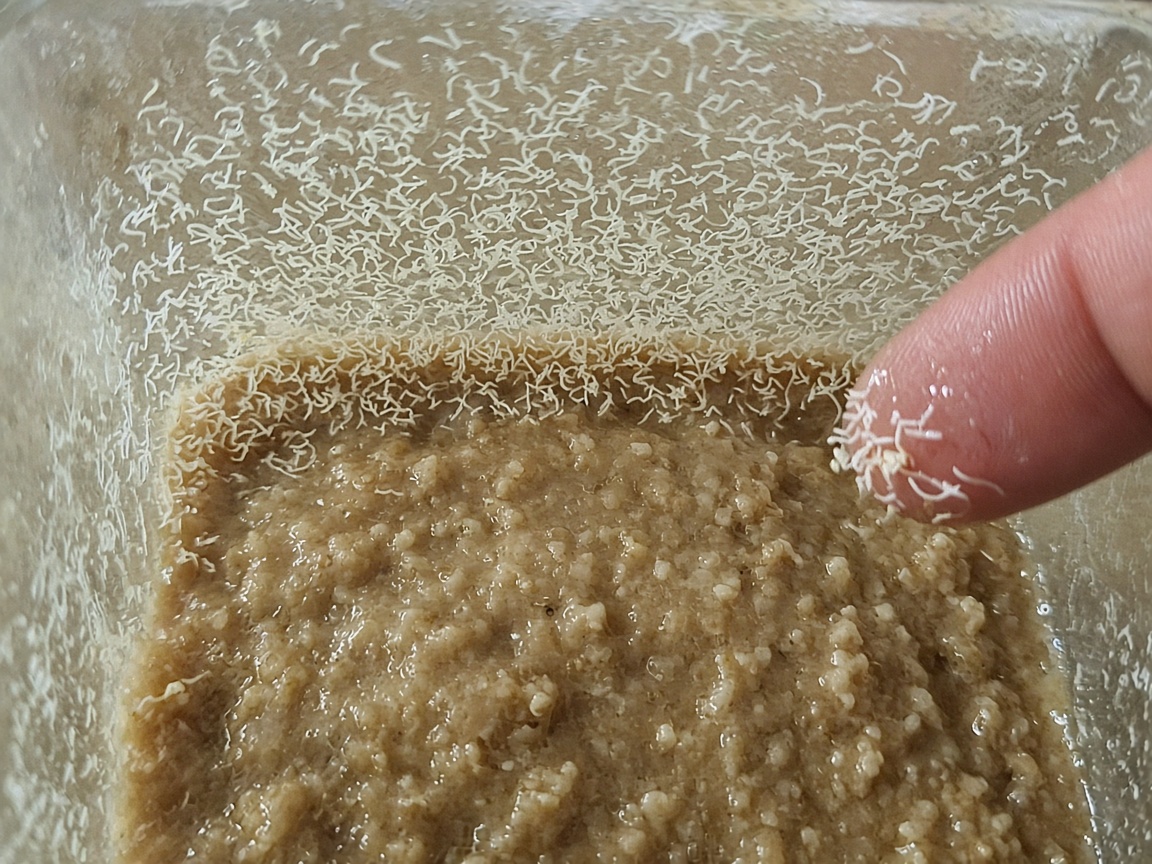
Microworms
In stockPanagrellus redivivus
The go-to first food for betta, gourami, tetra and cory fry
Size±1–3 mm
Culture mediumOats / instant porridge paste
Temperature18–27 °C (room temperature)
DifficultyVery easy
R50 · 15 ml starter culture
Fry feeding guide
Livebearer fry are the kindest fry in the hobby: born at a size egg-layer fry take a month to reach, able to eat real food from their first hour. The only real enemies are the adults’ appetites and slow, uneven growth on flake alone — and live food solves the second while you manage the first with plants and timing.
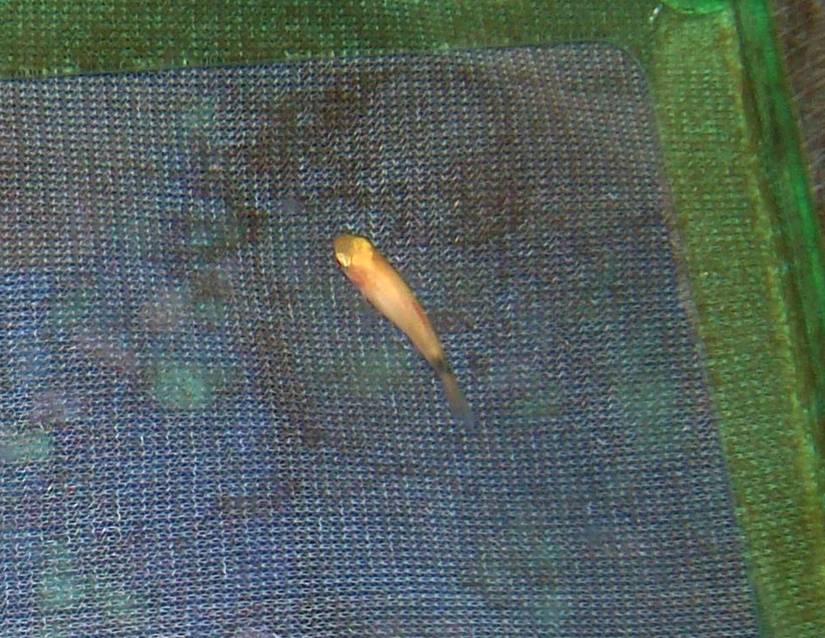
Photo: Gourami Watcher, Wikimedia Commons, CC0
| Stage | Feed this | Why it works |
|---|---|---|
| Day 1 | Microworms + newborn daphnia (moina) in the water | Fry are born hunting; food present from the first hour is survival and growth in one move |
| Weeks 1–4 | Daphnia (moina) most days | The fastest, most even growth — fry on live food size up uniformly, which also ends most size-bullying |
| Week 4+ | Adult moina + crushed staple | Transition toward the adult diet while live feeds keep growth ahead |
| Breeding females | Daphnia-rich feeding between broods | Females rebuilt on live food carry stronger next broods; molly females especially show it |
From day one: microworms and newborn daphnia (moina). They are born far bigger than egg-layer fry, so no vinegar-eel stage is needed — go straight to the growth foods.
Plants, mops and distraction: dense cover to hide in, adults fed first at the opposite end, and fry food delivered into the cover. In a community tank you will raise the fry that reach the plants in the first minute — which, well fed, is most of them.
In stock in the Western Cape, dispatched Monday to Wednesday, door-to-door across South Africa.
Panagrellus redivivus
The go-to first food for betta, gourami, tetra and cory fry
R50 · 15 ml starter culture
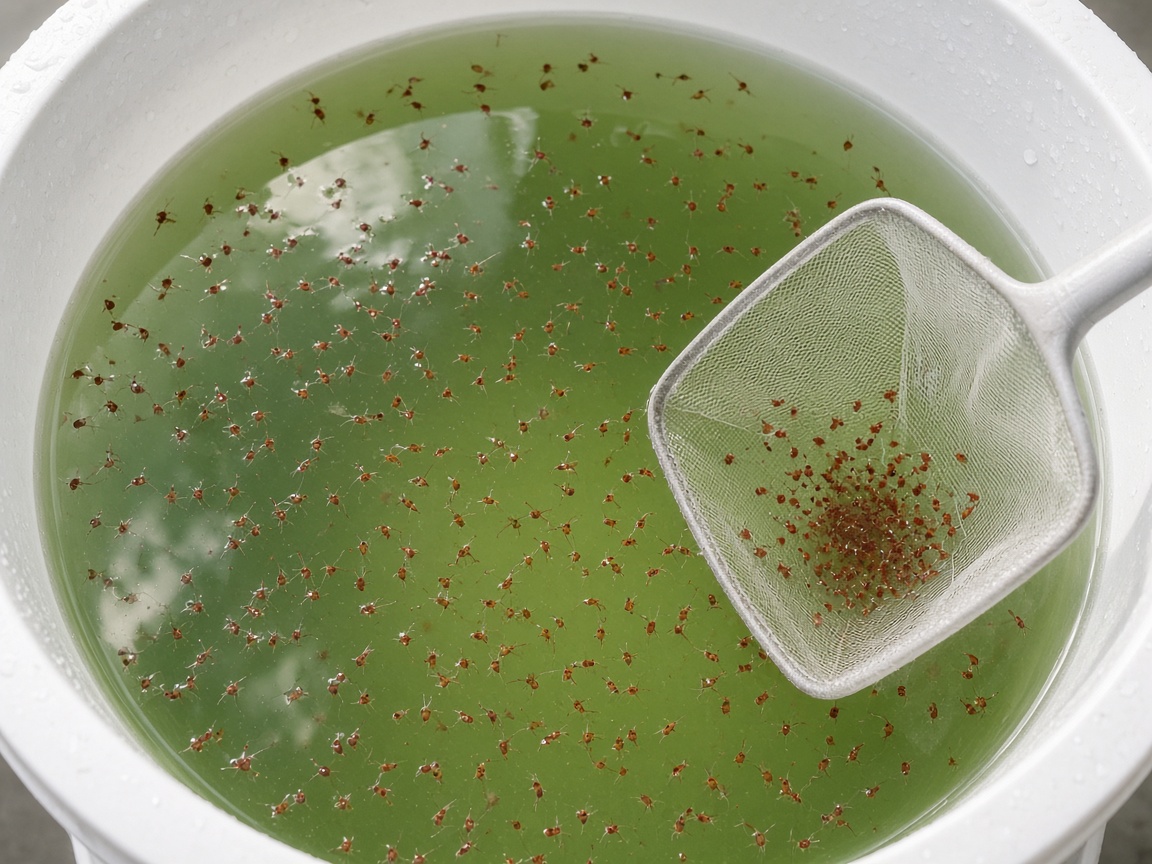
Moina sp.
The small “daphnia” that suits fry and small fish — and breeds fast in warm water
R50 · starter culture
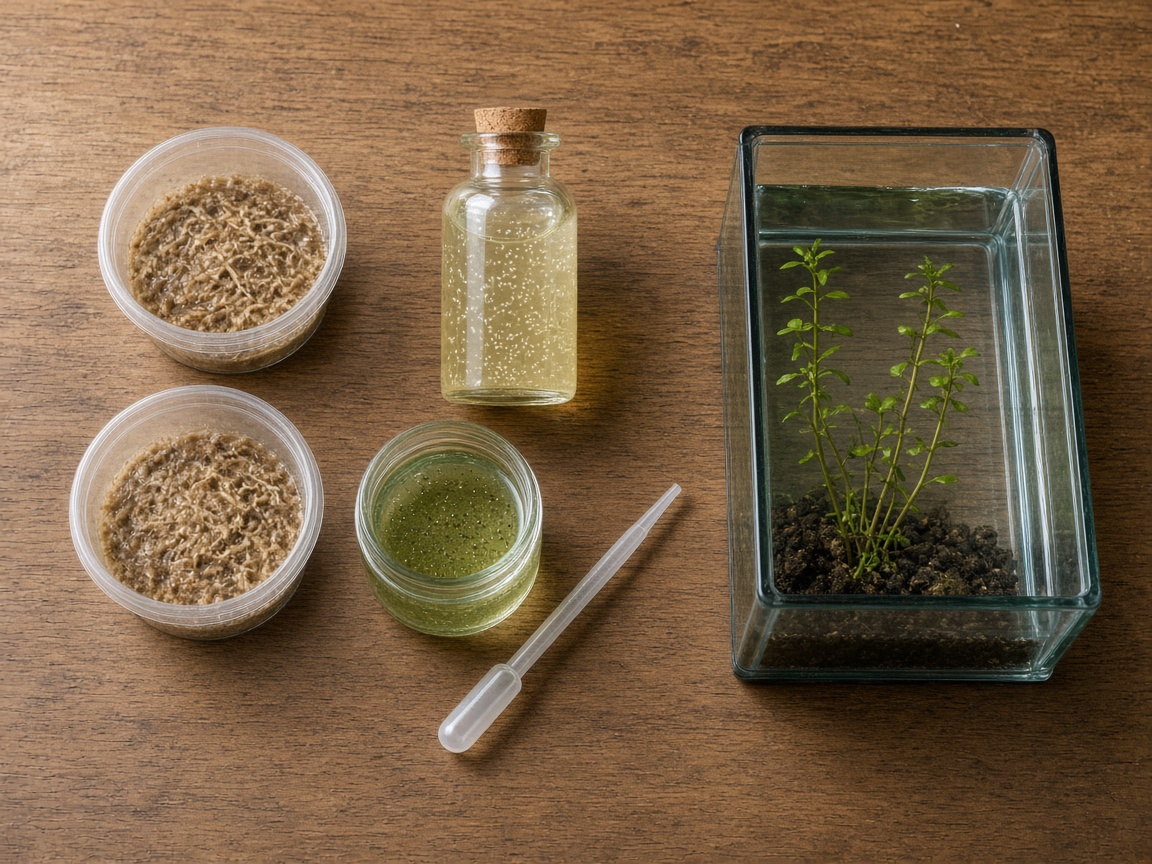
All four fry cultures in one parcel
Every fry size covered, from first bite to grow-out, in one courier parcel
R200 · 4-culture bundle
Tell us your setup and town on WhatsApp — we will confirm which cultures you need, what is in stock, and the exact delivered price.
Ask about livebearer fry (molly, platy & swordtail) food on WhatsAppLive food for bettas · Food for betta fry · Food for guppy fry · Live food for guppies · All species →